Mostly PhysX related things;
Inertia
"Inertia" is another PhysX/Ogre wrapper I have in mind but simulates inertial frames to allow the
effects of general relativity. It's still really early and just in the framework stage, but it depends heavily on boost.
It has a fantastic unit system that the compiler will complain if you put a force into a momentum function, and even will correctly return the correct unit if you perform basic physics equations; i.e.
Code: Select all
M::force F = M::mass(10) * M::acceleration(5,0,0);
I'm going to base a game around this framework; but it will only focus on the core mechanics of physics - no cloth or fluids. So it won't replace NxOgre - more of an very specific alternate.
Salt
"Salt" is my attempt at a proper serialisation framework and document for PhysX. It allows partial or a full scene to be serialised to a file, as well as working with exporters/importers for any 3D modeller or editor.
It is more of a design document than actual piece of code. Although I am working on a C++ implementation of the framework alongside of it. Ideally, my exporter could be written in Python - it obeying all the rules and behaviour of written down classes and functions, it will write to a file, that my C++ reader implementation expect it to be like.
In my precious spare time, I like to alternate between the two. Today, I've been working on salt.


 Basically, this is a thread to post whatever you're most recently proud of, without the need of </shameless_plug> tags


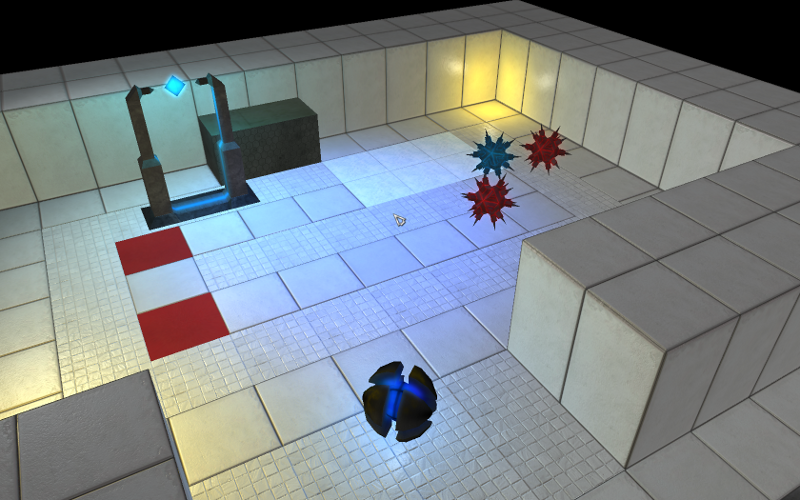

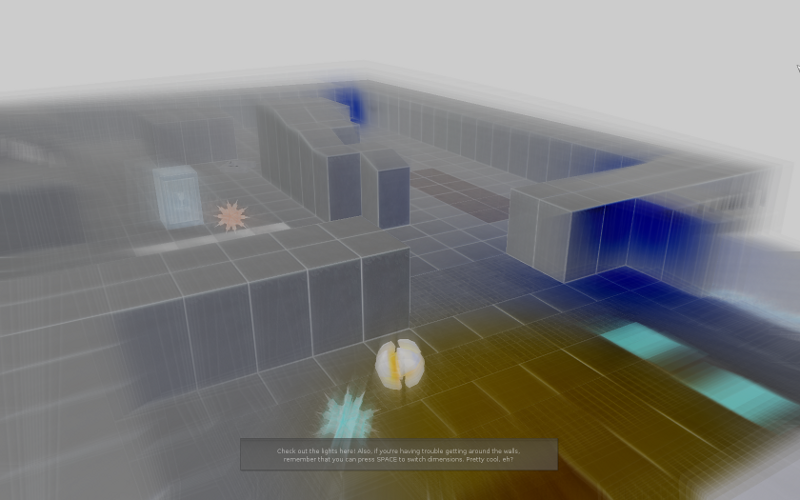
 )
)


 I'll fix it on the wiki (unless you already did). Should've checked your Ogre.log